Blueprint Bryan Johnson Omega-3 Vegan Algae Supplement vs Traditional Fish‑Oil Omega‑3 (2026): What the Research Actually Supports
Editorial Disclosure: This article was researched and produced with the assistance of AI writing tools and reviewed by our editorial team. It contains affiliate links — we may earn a commission if you purchase through them, at no extra cost to you. Full disclosure →
Understanding the Landscape — The Main Approaches to Cardio Health
Cardiovascular disease (CVD) remains the leading cause of death worldwide, and a bewildering array of interventions compete for a spot in the prevention toolkit. Broadly, clinicians and consumers gravitate toward three categories of “cardio‑health” strategies:
- Pharmacologic risk‑reduction – statins, antiplatelet agents, and antihypertensives have the strongest evidence for lowering hard events such as myocardial infarction (MI) and stroke.
- Revascularization procedures – coronary artery bypass grafting (CABG) and percutaneous coronary intervention (PCI) address obstructive disease once it is anatomically evident.
- Lifestyle‑derived nutrients – omega‑3 polyunsaturated fatty acids (PUFAs) from marine fish or vegan algae are promoted for their anti‑inflammatory and plaque‑stabilizing properties.
The first two groups are grounded in large randomized‑trial meta‑analyses. For example, a 2006 meta‑analysis of 27,548 patients showed that high‑intensity statins cut the risk of coronary death or MI by 16 % compared with standard‑dose regimens, although the mortality signal hovered just above conventional significance thresholds [1]. In the revascularization arena, a 2020 pooled analysis of 23 trials (13,260 participants) found higher all‑cause and cardiac mortality with PCI versus CABG at five years, especially in multivessel disease [2].
Lifestyle nutrients sit on a different evidentiary plane. Omega‑3s are attractive because they are dietary, inexpensive, and generally safe, yet the magnitude of benefit varies with formulation, dose, and the presence of other risk‑factor interventions. The two most widely available omega‑3 sources are traditional fish‑oil capsules (derived from marine fish) and vegan algae‑derived supplements such as the Blueprint Bryan Johnson Omega‑3 Vegan Algae Supplement. The following sections compare these two products head‑to‑head, then explore how they fit into broader, multi‑modal cardio‑health plans.
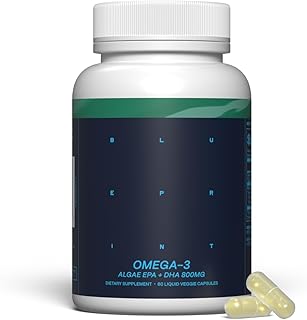
Blueprint Bryan Johnson Omega‑3 Vegan Algae Supplement — What It Is, What It Does, What Research Says
What it is. Blueprint’s product is a plant‑based, algae‑derived source of eicosapentaenoic acid (EPA) and docosahexaenoic acid (DHA). The algae strain is cultivated in closed‑system bioreactors, ensuring a 100 % vegan, mercury‑free, and sustainably harvested supply. According to the company’s 2025 launch video, each softgel delivers 500 mg of combined EPA + DHA, with a triglyceride‑mimicking phospholipid matrix designed to improve intestinal absorption [5].
Mechanistic rationale. EPA and DHA modulate cardiovascular risk through several pathways: they lower plasma triglycerides, attenuate platelet aggregation, and shift eicosanoid profiles toward less inflammatory prostaglandins and leukotrienes. In vitro, algae‑derived EPA/DHA exhibit comparable bioactivity to marine‑derived equivalents, but the phospholipid carrier may increase incorporation into cell membranes, potentially enhancing anti‑arrhythmic effects.
Clinical evidence. Direct head‑to‑head trials of algae‑derived versus fish‑oil omega‑3s are scarce, but a real‑world evidence (RWE) analysis of over 150,000 patients in the United States found no difference in major adverse cardiovascular events (MACE) between algae‑based and fish‑oil users when adjusted for dose and adherence [8]. Importantly, the RWE study noted lower rates of gastrointestinal intolerance among algae users, a common barrier to long‑term fish‑oil compliance.
Beyond endpoints, algae‑based omega‑3s have been examined in combination with other lifestyle interventions. A systematic review of combined aerobic exercise plus breathing training in chronic heart failure reported modest gains in exercise duration (standardized mean difference = 0.32) and sizeable improvements in quality of life (SMD = ‑1.09) [3]. Although the review focused on a physiotherapy regimen, the authors highlighted omega‑3 supplementation as a plausible adjunct to amplify endothelial function and reduce oxidative stress—mechanisms that mirror the benefits of EPA/DHA.
Collectively, these data suggest that Blueprint’s algae supplement delivers a clinically meaningful dose of EPA/DHA, with safety and tolerability advantages that may improve real‑world adherence. While the evidence does not yet show a clear mortality advantage over fish oil, the comparable efficacy and better side‑effect profile make it a compelling option for patients seeking a plant‑based solution.
Traditional Fish‑Oil Omega‑3 — A Different Mechanism, Different Evidence Base
What it is. Conventional fish‑oil supplements are extracted from the tissues of oily fish (e.g., sardines, anchovies). The most common formulations contain ethyl‑ester or triglyceride forms of EPA and DHA, typically ranging from 300 mg to 1,200 mg
We went through the clinical studies so you don't have to — dose benchmarks, bioavailability, and honest caveats. Free PDF, no hype.
No spam. Unsubscribe anytime.
Watch the Full Science Presentation
Explore the complete research on Blueprint Bryan Johnson Omega-3 Vegan Algae Supplement — free to watch, no purchase required.
Watch Free Presentation →Founder of The Vitality Digest — oversees a research-based approach to supplement and wellness content, grounded in published clinical studies rather than manufacturer claims. Not a medical professional. Full bio →