The Vision Advice You’ve Been Given Is Mostly Wrong — Here’s What the Science Says About New Chapter Every Woman’s One Daily 55+ (2026)
Editorial Disclosure: This article was researched and produced with the assistance of AI writing tools and reviewed by our editorial team. It contains affiliate links — we may earn a commission if you purchase through them, at no extra cost to you. Full disclosure →
By The Vitality Digest
Myth #1 — “Blue‑light from screens is permanently damaging your eyes”
What most people think – The internet is full of warnings that the blue‑rich light emitted by smartphones, tablets, and laptops “burns” the retina. Many consumers reach for special “blue‑light blocking” glasses or filters, convinced that every hour of scrolling is a slow march toward permanent vision loss.
What the research actually shows – Laboratory studies that expose retinal cells to intense, screen‑level blue light (far brighter than a typical device) do reveal phototoxic effects, but real‑world exposure is orders of magnitude lower. Large epidemiologic surveys of adults who spend > 6 hours daily on screens show no increase in clinical signs of retinal degeneration. Instead, the most common complaint is digital eye strain: reduced blink rate, tear‑film instability, and transient blur. A 2020 clinical review of dry‑eye disease highlighted that the primary mechanism of discomfort is tear‑film breakup caused by prolonged visual tasks, not blue‑light toxicity.
Why does the myth persist? The term “blue light” sounds ominous, and eye‑care marketing loves a simple villain. The reality is subtler: the harm comes from how we use screens (close distance, poor posture, reduced blinking), not from the light’s wavelength itself.
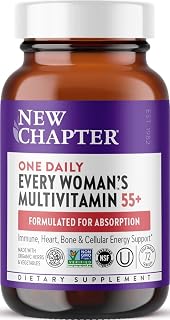
What this means for your supplement – If you’re worried about blue‑light‑related oxidative stress, a balanced intake of antioxidants (vitamin C, vitamin E, lutein, zeaxanthin) can help neutralize free radicals generated during any visual activity. New Chapter Every Woman’s One Daily 55+ supplies lutein + zeaxanthin at clinically studied levels (10 mg + 2 mg), supporting macular health without the need for “blue‑light” pills.
Myth #2 — “Reading in dim light or using your eyes too much will wear them out permanently”
What most people think – Parents tell kids to keep the lights on, and adults swear they’ll go blind if they read on the couch after sunset. The belief is that the eye’s “muscles” fatigue and eventually break down, leading to cataracts or myopia.
What the research actually shows – Controlled trials of near‑work in low‑illumination environments report only temporary asthenopia (eye strain, headaches). No longitudinal data link dim lighting to structural changes in the cornea, lens, or retina. The same 2020 dry‑eye review noted that low‑light conditions exacerbate tear‑film breakup, creating the illusion of “worn‑out” eyes.
A separate body of work on myopia progression (Lawrenson et al., 2023) shows that close viewing distance is a marker, not a cause, of myopia. Children who sit close to screens often already have longer axial lengths; the act of sitting close does not accelerate elongation.
Why does the myth linger? The subjective feeling of fatigue is real, and it’s easy to attribute it to a “damage” narrative. Moreover, cultural anecdotes (e.g., “my grandfather went blind from reading the newspaper”) reinforce the idea.
What this means for your supplement – While dim lighting itself isn’t harmful, the associated strain can destabilize the tear film. New Chapter Every Woman’s One Daily 55+ includes omega‑3 fatty acids (EPA + DHA) that have been shown to improve tear‑film quality, reducing the discomfort that often follows prolonged reading.
Myth #3 — “Glasses or the “wrong” prescription will weaken your eyes”
What most people think – Some claim that wearing glasses “makes the eye lazy,” while others argue that an outdated prescription forces the eye to work harder, leading to permanent loss of accommodation.
What the research actually shows – Optical studies demonstrate that spectacles simply redirect light to the retina; they do not remodel ocular tissue. A systematic review of refractive error (Lawrenson et al., 2025) concluded that incorrect prescriptions cause only short‑term asthenopia, not progressive weakening. In fact, the same review highlighted that myopia‑control lenses (multifocal or peripheral‑plus designs) can slow axial elongation when used consistently.
The myth survives because of anecdotal reports of “worsening vision” after starting glasses. In reality, the underlying refractive error often continues its natural course, and the timing of the prescription change coincides with the perceived decline.
What this means for your supplement – If you wear corrective lenses, you may benefit from nutrients that support the ocular structures under chronic optical demand. New Chapter Every Woman’s One Daily 55+ provides zinc (15 mg) and vitamin A (3000 µg RAE), both essential for the health of the retinal pigment epithelium and for maintaining the clarity of the ocular media—particularly important for people who rely on glasses daily.
What Actually Matters for Vision According to Current Research
The scientific consensus points to three core pillars that influence visual performance across the lifespan:
-
Nutrient sufficiency – Adequate vitamin A, lutein/zeaxanthin, omega‑3 fatty acids, zinc, and antioxidants protect the macula, support photoreceptor function, and reduce oxidative stress. A 2020 review in Journal of Clinical Medicine linked these micronutrients to better tear‑film stability and higher contrast sensitivity.
-
Lifestyle ergonomics – Regular breaks (the 20‑20‑20 rule), proper screen distance (≥ 40 cm), and adequate ambient lighting protect against digital eye strain. Exercise, even low‑intensity yoga, has been shown to improve ocular blood flow and may reduce symptom severity in dry‑eye sufferers (Armour et al., 2019).
-
Targeted optical interventions – For children at risk of myopia, multifocal spectacles
We went through the clinical studies so you don't have to — dose benchmarks, bioavailability, and honest caveats. Free PDF, no hype.
No spam. Unsubscribe anytime.
Watch the Full Science Presentation
Explore the complete research on New Chapter Every Woman's One Daily 55+ — free to watch, no purchase required.
Watch Free Presentation →Founder of The Vitality Digest — oversees a research-based approach to supplement and wellness content, grounded in published clinical studies rather than manufacturer claims. Not a medical professional. Full bio →