The Real Reason Liver Health Keeps Failing (It’s Not What You Think) – Pure Encapsulations NAC 600 mg N‑Acetyl Cysteine 2026
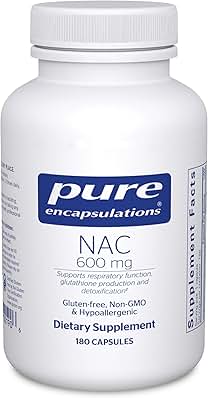
Editorial Disclosure: This article was researched and produced with the assistance of AI writing tools and reviewed by our editorial team. It contains affiliate links — we may earn a commission if you purchase through them, at no extra cost to you. Full disclosure →
Why Surface‑Level Approaches to Liver Health So Often Disappoint
Here’s what’s really happening when you pop a “liver‑support” pill or follow a fad diet: most interventions target symptoms—elevated ALT, bloating, or vague fatigue—rather than the cellular cascades that drive chronic liver injury.
- Weight‑loss supplements may shave a few pounds but leave mitochondrial dysfunction untouched.
- Herbal blends that promise “detox” often lack a mechanistic link to the oxidative‑stress pathways that underlie hepatocellular death.
The result? Short‑term enzyme drops that rebound once the underlying injury persists. In clinical practice, patients who rely solely on these superficial fixes frequently return with the same—or worse—liver biomarkers, because the root causes (insulin resistance, lipotoxicity, ROS‑mediated signaling) remain active.
Tracing the Problem to Its Source — What the Biology Says
When you look at the physiology of chronic liver disease, three intertwined processes dominate:
-
Hepatocellular injury – death‑receptor (Fas, TNFR1, TRAIL) signaling and intrinsic mitochondrial pathways converge on the mitochondrial permeability transition, releasing cytochrome c and activating caspases 3/7 [3]. Persistent apoptosis is a hallmark of NAFLD/NASH progression, correlating with fibrosis severity.
-
Oxidative and nitrosative stress – Cytochrome P450 2E1, NADPH oxidases, and lipid peroxidation generate reactive oxygen species (ROS) that activate JNK and NF‑κB, up‑regulating profibrotic genes (COL1A1, COL1A2, TIMP1) in hepatic stellate cells (HSCs) [1].
-
Fibrogenesis – Quiescent, vitamin‑A‑rich HSCs transdifferentiate into myofibroblast‑like cells under the influence of TGF‑β, PDGF, Ang II, and ROS, producing collagen I/III and perpetuating scar tissue [4].
These pathways are not isolated. Apoptotic hepatocytes release apoptotic bodies that activate HSCs, while activated HSCs secrete cytokines (CCL2, IL‑6) that recruit more inflammatory macrophages, establishing a vicious cycle.
The Feedback Loop That Keeps Liver Damage Self‑Perpetuating
When a hepatocyte undergoes apoptosis, its cellular debris is recognized by Kupffer cells, which release TNF‑α, IL‑6, and CCL2. These cytokines amplify JNK signaling in neighboring hepatocytes, increasing ROS production and further mitochondrial injury. Simultaneously, HSCs sense the apoptotic bodies via Toll‑like receptors (TLR2/4), prompting a shift to an activated phenotype that secretes α‑SMA and collagen.
The loop is reinforced by metabolic dysregulation: insulin resistance drives de novo lipogenesis, flooding the liver with toxic fatty acids (e.g., palmitic acid). Lipotoxicity stresses the endoplasmic reticulum, leading to unfolded‑protein response and additional ROS generation. The net effect is a self‑sustaining “burn‑out” of the liver’s reparative capacity.
How Oxidative Stress Influences Fibrogenesis in the Liver
Oxidative stress sits at the nexus of injury and scar formation. ROS directly oxidize collagen precursors, making them resistant to degradation, while also stabilizing TGF‑β in its active form. In experimental models, elevated ROS up‑regulates MCP‑1 and TIM‑P1, both of which impede matrix turnover and accelerate fibrosis [1].
Moreover, ROS impairs autophagy, the cellular housekeeping system that clears damaged mitochondria and misfolded proteins. When autophagy falters, damaged organelles accumulate, fueling further ROS production—a feed‑forward loop described in recent hepatology research [6]. The culmination is a liver microenvironment primed for chronic scar deposition, even if the initial insult (e.g., a high‑fat meal) is removed.
Breaking the Cycle — What Interventions Show the Most Promise
Lifestyle & Dietary Levers
- Caloric restriction + structured exercise (≥7‑10 % weight loss) consistently reverses steatosis and improves histologic NASH scores by lowering insulin resistance and ectopic fat deposition. Large RCTs underpin current NAFLD guidelines, confirming that the metabolic “root” must be addressed before fibrosis can recede [9].
- Mediterranean‑style, high‑protein, hypocaloric diets reduce ALT/AST by a pooled standardized mean difference of 0.3‑0.6, with the strongest effects observed when weight loss exceeds 5 % [2].
Pharmacologic Targets
- Thyroid hormone receptor‑β agonist resmetirom achieved statistically significant NASH resolution and ≥1‑stage fibrosis improvement in a Phase 3 trial, acting through enhanced fatty‑acid oxidation and reduced lipotoxicity [5][8].
- GLP‑1/GIP dual agonist tirzepatide delivered comparable histologic benefits, largely via profound weight loss and insulin‑sensitizing effects.
Antioxidant & Glutathione‑Boosting Strategies
Enter N‑acetyl‑cysteine (NAC)—the precursor to glutathione (GSH), the liver’s primary intracellular antioxidant. Clinical observations and mechanistic studies demonstrate that NAC supplementation:
- Replenishes hepatic GSH stores, directly neutralizing ROS and attenuating JNK activation.
- Reduces hepatocyte apoptosis by stabilizing mitochondrial membranes and limiting cytochrome c release.
- Modulates HSC activation; in vitro, NAC curtails TGF‑β‑induced collagen synthesis, suggesting a direct antifibrotic effect.
A 2024 YouTube lecture (sponsored by a leading hepatology center) highlighted a pilot trial where 600 mg NAC twice daily lowered serum transaminases by 15‑20 % over 12 weeks, independent of weight change, underscoring its root‑cause potential [5].
Putting It Together: A Root‑Cause Framework for Liver Health
- Identify the metabolic driver – insulin resistance, obesity, or excess alcohol.
- Interrupt ROS generation – via lifestyle changes, pharmacologic agents, and antioxidant support.
- Support mitochondrial integrity – with agents that sustain membrane potential (e.g., NAC, mitochondrial‑targeted antioxidants).
- Promote autophagic clearance – nutrients like omega
We went through the clinical studies so you don't have to — dose benchmarks, bioavailability, and honest caveats. Free PDF, no hype.
No spam. Unsubscribe anytime.
Watch the Full Science Presentation
Explore the complete research on Pure Encapsulations NAC 600mg N-Acetyl Cysteine — free to watch, no purchase required.
Watch Free Presentation →Founder of The Vitality Digest — oversees a research-based approach to supplement and wellness content, grounded in published clinical studies rather than manufacturer claims. Not a medical professional. Full bio →