Debunking the Myths: What 2026 Research Reveals About Blue Light Blocking Glasses
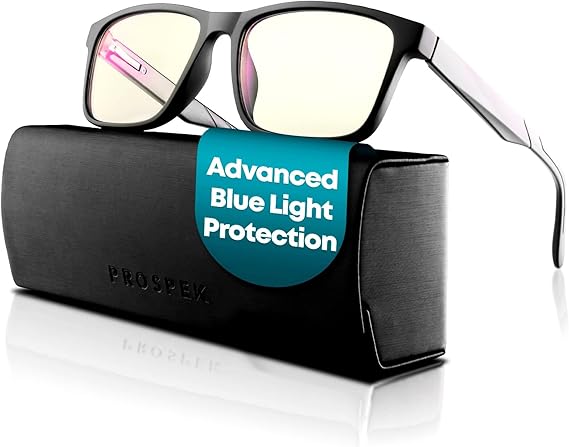
Editorial Disclosure: This article was researched and produced with the assistance of AI writing tools and reviewed by our editorial team. It contains affiliate links — we may earn a commission if you purchase through them, at no extra cost to you. Full disclosure →
Myth #1 — Blue Light Blocking Glasses Permanently Reduce Eye Strain
The truth is, many people believe that Blue Light Blocking Glasses can permanently eliminate eye strain caused by prolonged screen time. However, what researchers actually found was that while Blue Light Blocking Glasses may reduce digital eye strain, the relief is typically temporary. A study published in the BMJ found that low illumination causes transient eye strain, reduced accommodative response, and discomfort, but visual acuity returns to baseline after stopping the task. This suggests that Blue Light Blocking Glasses may help alleviate eye strain, but the effect is not permanent.
Myth #2 — Blue Light Blocking Glasses Prevent Myopia Progression
Another common belief is that Blue Light Blocking Glasses can prevent myopia progression in children. The nuance most people miss is that myopia progression is a complex issue, and Blue Light Blocking Glasses are just one potential factor. Studies indicate that a combination of genetic and environmental factors, including near work, outdoor activities, and parental myopia, contribute to myopia progression. While some research suggests that Blue Light Blocking Glasses may help slow myopia progression, the evidence is not conclusive, and more research is needed to fully understand their effect.
Myth #3 — Blue Light Blocking Glasses Are a Replacement for Regular Eye Care
A third common myth is that Blue Light Blocking Glasses can replace regular eye care. However, this persists despite contrary evidence, as Blue Light Blocking Glasses are not a substitute for regular eye exams and proper eye care. In fact, the American Academy of Ophthalmology recommends that adults have a comprehensive eye exam every 2-3 years, or more frequently if they have a family history of eye disease or other risk factors. Blue Light Blocking Glasses may be a useful adjunct to regular eye care, but they should not be relied upon as the sole means of protecting one's vision.
What Actually Matters for Vision According to Current Research
Research suggests that a combination of factors, including regular eye exams, proper eye care, and a healthy lifestyle, is essential for maintaining good vision. This includes getting enough sleep, eating a balanced diet, and avoiding smoking and other harmful substances. Additionally, studies indicate that spending time outdoors, particularly in childhood, may help prevent myopia progression. While Blue Light Blocking Glasses may be a useful tool in reducing digital eye strain, they should be used in conjunction with these other factors to support overall eye health.
The Overlooked Factor Most Vision Protocols Ignore
One overlooked factor in vision health is the impact of screen time on the eyes. While many people are aware of the potential risks of prolonged screen time, few take steps to mitigate them. This includes following the 20-20-20 rule, which recommends looking away from screens every 20 minutes and focusing on something 20 feet away for 20 seconds. Additionally, adjusting the display settings on digital devices to reduce blue light emission, and using good lighting in the workspace, can help reduce eye strain. Blue Light Blocking Glasses can also be a useful tool in reducing digital eye strain, but they should be used in conjunction with these other strategies.
A More Evidence-Based Approach to Vision Care
A more evidence-based approach to vision care would involve a comprehensive approach that takes into account multiple factors, including regular eye exams, proper eye care, and a healthy lifestyle. This would include getting enough sleep, eating a balanced diet, and avoiding smoking and other harmful substances. Additionally, spending time outdoors, particularly in childhood, may help prevent myopia progression. Blue Light Blocking Glasses can be a useful tool in reducing digital eye strain, but they should be used in conjunction with these other factors to support overall eye health. It's also important to consult your healthcare provider before making any changes to your eye care routine.
In conclusion, while Blue Light Blocking Glasses may have some benefits, they are not a panacea for vision problems. A comprehensive approach to vision care that takes into account multiple factors, including regular eye exams, proper eye care, and a healthy lifestyle, is essential for maintaining good vision. Blue Light Blocking Glasses can be a useful tool in reducing digital eye strain, but they should be used in conjunction with these other factors to support overall eye health. By taking a more evidence-based approach to vision care, individuals can reduce their risk of vision problems and maintain healthy vision for years to come.
References
- Solmi M, De Toffol M, Kim JY et al.. "Balancing risks and benefits of cannabis use: umbrella review of meta-analyses of randomised controlled trials and observational studies." BMJ (Clinical research ed.). 2023.
- Lawrenson JG, Shah R, Huntjens B et al.. "Interventions for myopia control in children: a living systematic review and network meta-analysis." The Cochrane database of systematic reviews. 2023.
- Armour M, Ee CC, Naidoo D et al.. "Exercise for dysmenorrhoea." The Cochrane database of systematic reviews. 2019.
- Lawrenson JG, Huntjens B, Virgili G et al.. "Interventions for myopia control in children: a living systematic review and network meta-analysis." The Cochrane database of systematic reviews. 2025.
We went through the clinical studies so you don't have to — dose benchmarks, bioavailability, and honest caveats. Free PDF, no hype.
No spam. Unsubscribe anytime.
Watch the Full Science Presentation
Explore the complete research on Blue Light Blocking Glasses — free to watch, no purchase required.
Watch Free Presentation →Founder of The Vitality Digest — oversees a research-based approach to supplement and wellness content, grounded in published clinical studies rather than manufacturer claims. Not a medical professional. Full bio →