The Skincare Playbook: What High‑Performers Actually Do Differently with Solawave LED Light Therapy Face Mask (2026)
Editorial Disclosure: This article was researched and produced with the assistance of AI writing tools and reviewed by our editorial team. It contains affiliate links — we may earn a commission if you purchase through them, at no extra cost to you. Full disclosure →
By The Vitality Digest – Evidence‑Focused Editorial
Step 1 — Understand Your Baseline (What to Track and Why)
Before you add any new tool—whether a serum, supplement, or a high‑tech device—knowing where you start is essential. Objective data give you a reference point and protect you from “wishful thinking” that can creep in when you’re excited about a new product.
| Metric | How to Measure | What It Reveals |
|---|---|---|
| Skin hydration (TEWL, corneometer) | Hand‑held TEWL meter or at‑home corneometer | Baseline barrier function; helps gauge moisturizers and barrier‑supporting actives. |
| Surface texture & wrinkle depth | Standardized photos + AI‑driven analysis (e.g., SkinVis) | Quantifies fine‑line changes over weeks; useful when testing retinoid‑like interventions. |
| Pigmentation score | Colorimetry or digital imaging (CIE Lab*) | Tracks melasma, sunspots, and overall evenness. |
| Acne lesion count | Dermatologist‑reviewed photos or validated app | Objective count of inflammatory vs. non‑inflammatory lesions. |
| Lifestyle variables (sun exposure, diet, sleep) | Daily journal or wearable data | Contextualizes skin changes; isolates the impact of topical or device‑based interventions. |
Why bother? A 2022 review of dermatology trials highlighted that objective endpoints—wrinkle grading, lesion counts, TEWL—are the gold standard for evaluating any skincare protocol [1]. Without these numbers, you’re left with anecdote, which is easy to misinterpret. Start by recording three baseline measurements over a two‑week period; this smooths out day‑to‑day variability and gives you a reliable “zero” to compare against.
Step 2 — Address the Nutritional Foundations Research Keeps Highlighting
Nutrition isn’t a fad; it’s the substrate that powers every cellular process, including collagen synthesis, melanogenesis, and barrier repair. The evidence landscape points to a handful of nutrients that consistently show benefit when studied in randomized, dermatologist‑assessed trials.
| Nutrient | Key Evidence | Practical Takeaway |
|---|---|---|
| Vitamin C (ascorbic acid) | Topical vitamin C/ferulic‑acid combos reduced photodamage in controlled trials, but efficacy hinges on formulation stability [7] | Choose a serum with ≥15 % L‑ascorbic acid, stored in an opaque, airtight bottle. |
| Retinoids (prescription‑strength) | Prescription retinoids demonstrate robust reduction in fine lines and acne lesions across multiple RCTs [6] | If tolerable, a low‑dose tretinoin (0.025 %) can be introduced after barrier conditioning. |
| Omega‑3 fatty acids | Systematic reviews associate higher EPA/DHA intake with improved barrier function and reduced inflammation [5] | Incorporate fatty fish twice a week or consider a purified fish‑oil supplement (EPA ≥ 500 mg). |
| Bakuchiol | A Nature‑summarized study found bakuchiol comparable to retinol for photoaging signs and better tolerability [2] | For retinoid‑sensitive skin, a bakuchiol serum may bridge the gap. |
| Selenium & zinc | Micronutrients support antioxidant enzymes that mitigate UV‑induced ROS [3] | Ensure dietary sources (Brazil nuts, pumpkin seeds) or a balanced multivitamin. |
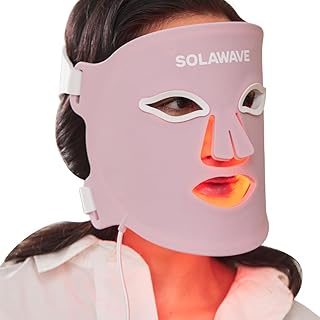
Where the Solawave LED Light Therapy Face Mask fits
LED phototherapy works on a different axis than topical actives. The mask emits specific wavelengths (red ≈ 630 nm, near‑infrared ≈ 850 nm) that may stimulate mitochondrial activity and up‑regulate collagen‑related genes, complementing the retinoid‑or bakuchiol‑driven pathways above. In other words, while your skin is receiving the biochemical push from nutrients, the mask can provide a biophysical signal that supports the same remodeling processes. Think of it as a “dual‑track” approach: one track feeds the cells the building blocks, the other encourages the machinery to use them efficiently.
Step 3 — The Lifestyle Stack That Compounds Results
Even the best‑formulated serum can be blunted by poor lifestyle habits. The research consensus—drawn from multiple randomized, controlled trials—identifies three lifestyle pillars that consistently amplify skin outcomes.
-
UV avoidance + consistent photoprotection
Daily sunscreen is the single most evidence‑backed strategy for preventing photoaging and dyspigmentation [3]. A broad‑spectrum SPF ≥ 30, reapplied every two hours outdoors, reduces the cumulative UV burden that fuels collagen breakdown. Pair sunscreen with physical barriers (wide‑brimmed hats, UPF clothing) for maximal protection. -
Sleep hygiene
Deep‑sleep phases trigger growth hormone release, which fuels tissue repair. Studies link < 6 h of sleep with higher TEWL and increased oxidative stress markers. Aim for 7–9 hours of uninterrupted sleep; consider a cool, dark bedroom and a wind‑down routine that excludes screens. -
Stress management
Chronic cortisol elevation impairs barrier lipids and can exacerbate acne. Mind‑body practices (meditation, yoga, brisk walking) have been shown to lower cortisol and improve skin barrier metrics in controlled settings [5].
When you align these habits with your nutritional plan, you create a “stack” that compounds benefits. For instance,
We went through the clinical studies so you don't have to — dose benchmarks, bioavailability, and honest caveats. Free PDF, no hype.
No spam. Unsubscribe anytime.
Watch the Full Science Presentation
Explore the complete research on Solawave LED Light Therapy Face Mask — free to watch, no purchase required.
Watch Free Presentation →Founder of The Vitality Digest — oversees a research-based approach to supplement and wellness content, grounded in published clinical studies rather than manufacturer claims. Not a medical professional. Full bio →